Manufacturer packaging refers to the durable, scalable packaging solutions used to protect, store, and transport products during production, storage, and distribution most commonly corrugated boxes, folding cartons, bulk bins, and flexible pouches, selected based on product weight, shipping method, and sustainability goals.
Thank you for reading this post, don’t forget to subscribe!
Whether you’re sourcing packaging for a large production run or a small business just getting started, this guide breaks down the types available, how to choose between them, and where to find the right supplier including wholesale, local, and small-batch options.
What Is Manufacturer Packaging?
Manufacturer packaging is any packaging designed at the production or distribution level to protect goods as they move from the factory floor to a warehouse, retail shelf, or end customer. Unlike retail packaging (which focuses mostly on branding and shelf appeal), manufacturer packaging is built first for protection and efficiency though many modern suppliers now combine both, offering custom-branded boxes that are also structurally rated for shipping.
Common Types of Packaging for Manufacturers
| Type | Best For | Notes |
| Corrugated boxes | Bulk shipping, heavy or fragile items | Rated by strength (e.g., ECT or burst-test ratings) |
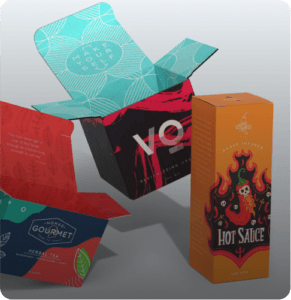
| Folding cartons | Retail-shelf products, lightweight goods | Made from paperboard, ships flat, assembles fast |
| Bulk bins/crates | Industrial handling, large-volume storage | Built for stacking and repeated warehouse use |
| Flexible pouches | Food, chemical, or powder products | Space-saving, often resealable |
| Custom mailers | E-commerce and direct-to-consumer shipping | Combines branding with protective structure |
How to Choose the Right Packaging
- Protection level — Match box strength to product weight. A heavier or more fragile product needs a higher ECT (edge crush test) rating or thicker corrugated board.
- Efficiency — Look for designs that ship flat, assemble quickly, and fit standard pallet or conveyor dimensions if you’re running an automated line.
- Sustainability — Recyclable corrugated, kraft paperboard, and compostable materials are increasingly standard, and often cost about the same as non-recyclable options.
- Order volume — Wholesale pricing drops significantly at higher quantities, but small businesses may prefer low-minimum or no-minimum runs to avoid excess inventory.
- Regulatory needs — Food, pharmaceutical, and chemical products often require specific certifications (e.g., food-grade liners, tamper-evident seals).
Wholesale vs. Small Business Packaging
Wholesale packaging for manufacturers is generally the most cost-effective route once you’re ordering in the thousands of units, since unit price drops steeply at scale. It’s the standard choice for established manufacturers with predictable, recurring shipping volume.
Custom packaging for small businesses typically favors smaller batch sizes, sometimes as low as 1–100 units using digital printing rather than traditional offset printing. This costs more per unit but avoids the storage and cash-flow burden of a large bulk order. It’s a common starting point for brands still testing product-market fit or seasonal offerings.
Affordable custom packaging is widely available at low minimums thanks to digital print technology single-color logo prints on kraft stock are typically the cheapest way to add branding without a big cost jump.
Food Packaging for Manufacturers
Food packaging carries extra requirements beyond standard shipping boxes:
- Food-grade materials that are safe for direct or indirect food contact
- Barrier properties (moisture, oxygen, grease resistance) depending on the product
- Tamper-evident or resealable features for consumer safety and freshness
- Compliance labeling for ingredients, allergens, and nutritional information where applicable
Flexible pouches and coated folding cartons are especially common in this category because they offer strong barrier protection in a lightweight format.
Sourcing Packaging: Wholesale, Local, and Custom Options
- National packaging manufacturers offer the widest range of materials, sizes, and volume discounts, often with online design tools to preview your box before ordering.
- Local/regional suppliers (“near me”) are worth considering if you want faster turnaround, in-person sample checks, or an easier line of communication for reprints and adjustments.
- USA-based Packaging Suppliers are frequently preferred by businesses wanting shorter shipping times, easier quality control, and simpler compliance with domestic packaging regulations.
Frequently Asked Questions
What is manufacturer’s packaging? It’s packaging designed and produced to protect, store, and transport goods during manufacturing and distribution prioritizing durability and handling efficiency, in contrast to purely retail-facing packaging.
What are the 7 types of packaging? Common classifications include: primary packaging (direct product contact), secondary packaging (grouping units), tertiary packaging (bulk shipping/pallets), corrugated boxes, folding cartons, flexible packaging, and rigid packaging (bottles, tubs, containers).
What are the 5 P’s of packaging? A common framework: Product (what’s being protected), Price (cost constraints), Promotion (branding and shelf appeal), Placement (how/where it’s distributed), and Protection (structural durability).
What are the 4 C’s of packaging? Often defined as: Clarity (clear labeling/communication), Cost (affordability at scale), Convenience (ease of use, storage, and disposal), and Consistency (uniform quality across production runs).
Quick Checklist Before Ordering
- Confirm product weight and fragility to select the right box strength
- Decide wholesale vs. small-batch based on your current order volume
- Check for any required certifications (food-grade, tamper-evident, etc.)
- Request a sample or digital proof before a full production run
- Compare total landed cost (unit price + shipping), not just per-unit pricing
- Ask about recycled/recyclable material options if sustainability is a priority
Final Thoughts
The right packaging supplier depends on your production scale, product type, and how much of the packaging needs to double as branding. Manufacturers with steady, high-volume shipping generally save the most with wholesale corrugated or bulk bin solutions, while small businesses and newer brands often start with low-minimum custom runs before scaling up once demand is established.